- Házszámok, házszámtáblák, cégtáblák
- Kulacsok, butellák, pálinkás poharak
- Hűtőmágnesek
- Lizi Beads
- Gyapjú
- Ajándéktárgyak
- Esküvői köszönőajándékok
- Esküvői köszönőajándék/ ültető hűtőmágnesek
- Bögrék, poharak, kriglik
- Csengők
- Fűszertartók
- Gasztronómia
- Étkezési célra készült termékek
- Gyertyatartók, világító mécsestartók, fali lámpák
- Nyakláncok, fülbevalók, karkötők és gyűrűk
- Anyák napjára és csak úgy...
- Idézetes faliplakettek
- Keresztek
- Konyhai falicsempék
- Korsófélék : Picur,kicsi,ötféle és Miska korsók
- Kávés, teás
- Vázák
- Hamutálak
- Tányérok
- Órák
- Referenciamunkák
- Ékszertartók, bonbonierek
- Gödöllő feliratú kerámiák
- Egyéb
- Egyéb termékek
- Karácsonyi termékek
- Szilveszter
- Tojások
- Virágültetők
Termékek
Kosár
Az Ön kosara jelenleg üres!
English
English
The Past and Present of Bélapátfalva Ironstone Pottery
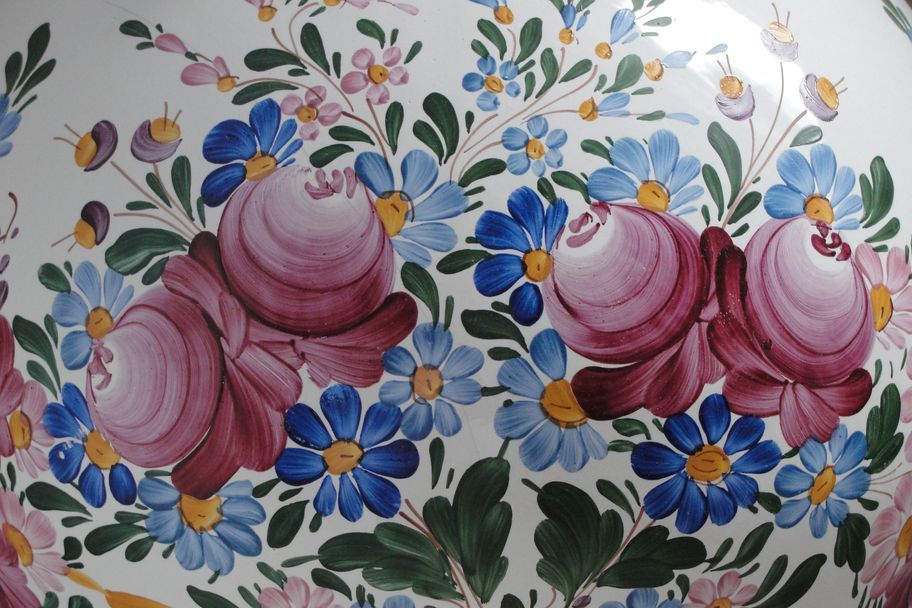
Bélapátfalva ironstone pottery is one of the most significant legacies of Hungarian folk ceramic art. Founded in 1843, the Bélapátfalva ironstone pottery factory produced functional and decorative objects for nearly a century. With their distinctive rose, tulip and bird motifs, these pieces became emblematic works of Hungarian peasant culture. The white-glazed, hand-painted ceramics served both everyday needs and the decoration of homes, while preserving a rich heritage of folk art for future generations.
Our creations carry forward this heritage of more than 180 years. Since 1979, Puskár Kerámia has operated as a family workshop, producing ceramics that preserve the traditional motifs of Bélapátfalva. The craft has been passed down from generation to generation: the family makes the plaster moulds by hand and casts, glazes, paints and fires each piece themselves, preserving traditional techniques while also adapting to the needs of the present day.
Every finished piece represents the meeting of craftsmanship, family heritage and respect for Hungarian folk art. For Puskár Kerámia, tradition is not merely a memory of the past, but a living heritage: every brushstroke continues a craft that is nearly two centuries old, reborn today with the same care, love and joy of creation.
Puskár Kerámia
Roses of Everyday Life
Lizi Beads:
The history of the making of the beaded *párta* (traditional headdress) from Kalotaszeg was placed inside it, acting as a sort of time capsule:
The Making of a Kalotaszeg Beaded Bridal Headdress
This headdress was created in the Year of Our Lord 2022, between January and May.
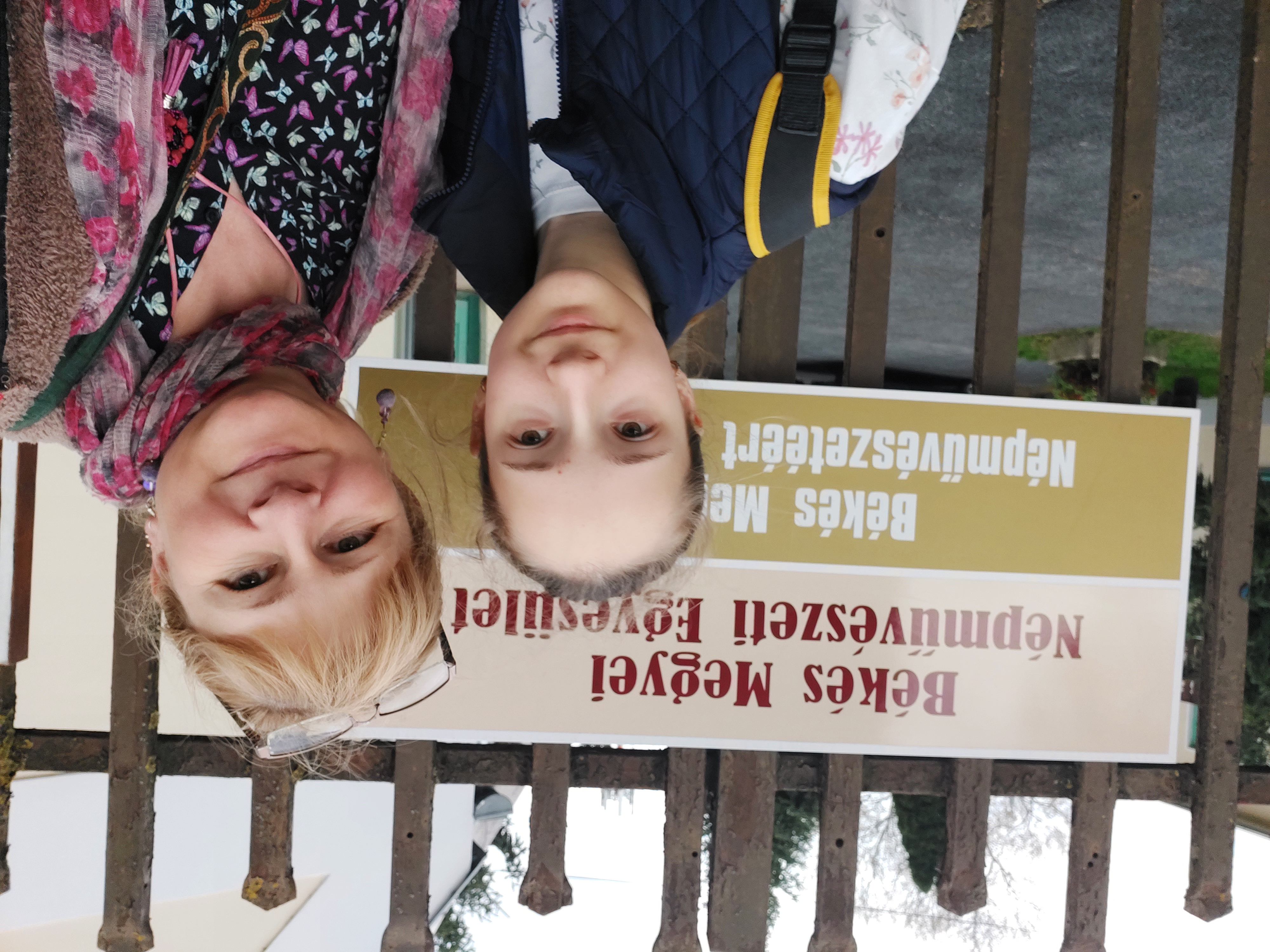
Its making began in Békéscsaba under the careful guidance and instruction of Anita Jeszenszky Farkasné.
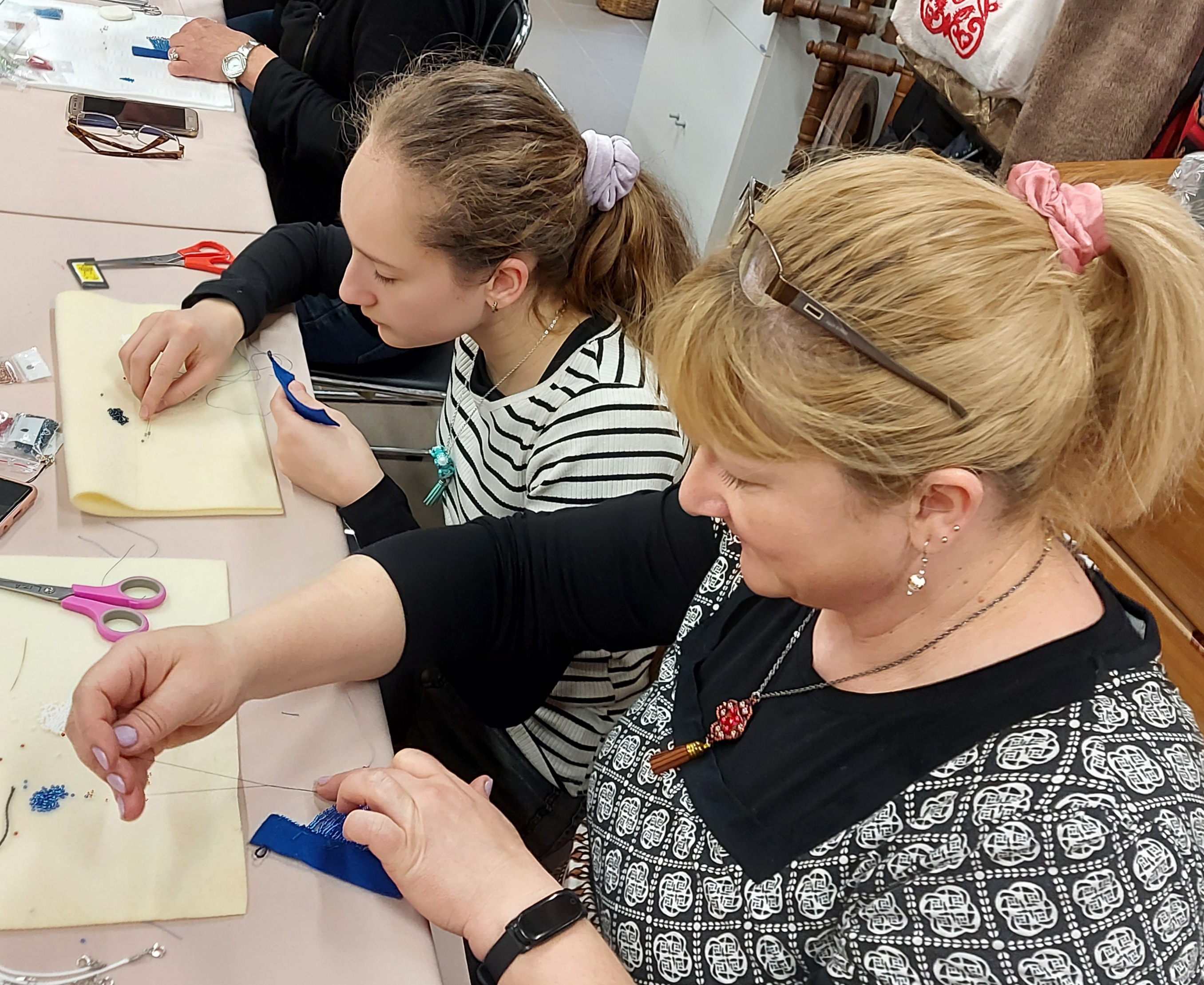
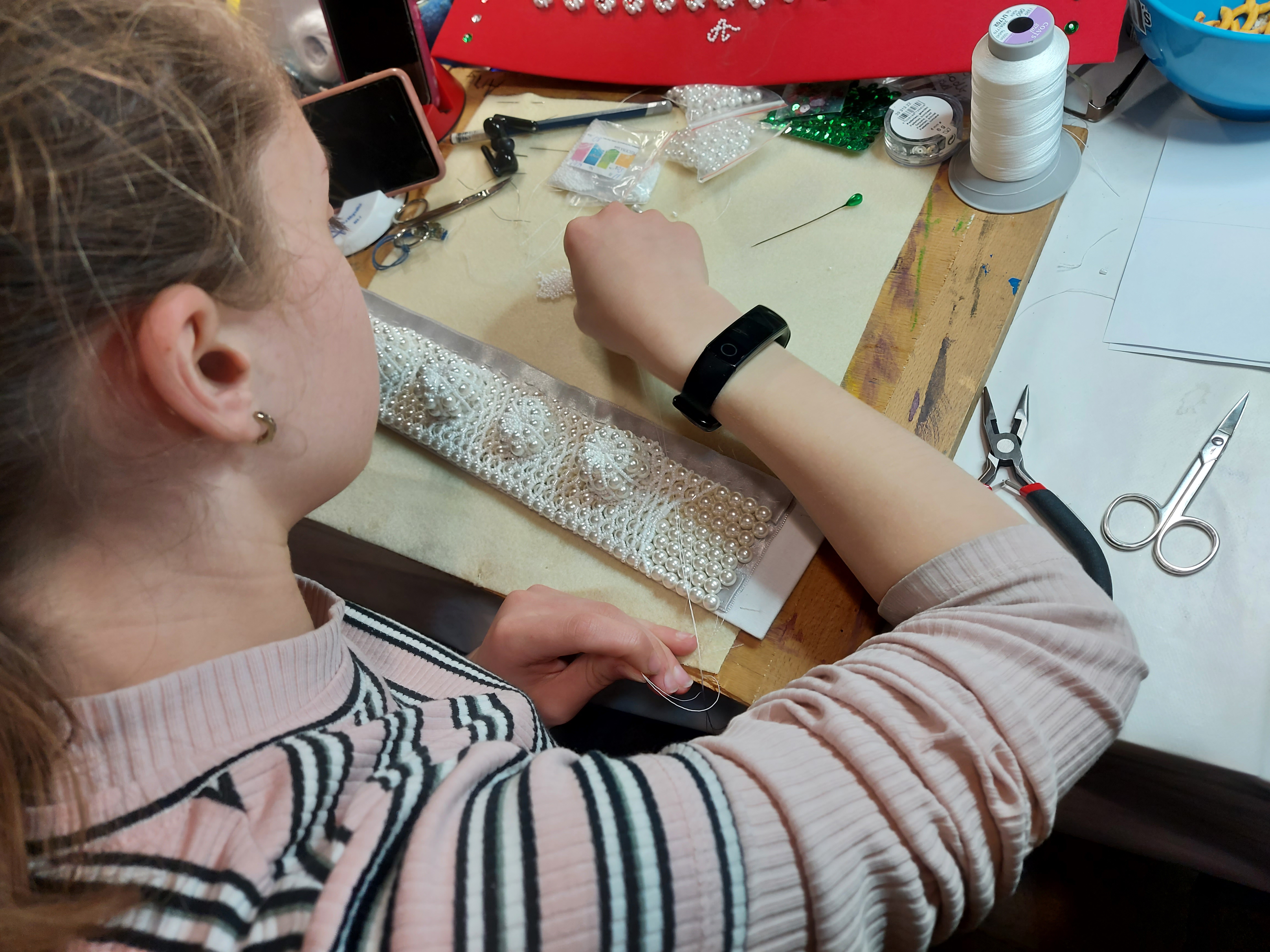
Crafting the csúpok (the raised decorative beadwork) proved to be the greatest challenge. Achieving their firm shape and elegant appearance required great precision. They were placed slightly lower than intended on the cardboard base, so attaching the bugle beads demanded a few creative adjustments. Piercing the thick cardboard left our fingers full of tiny wounds. The netting was completed in two stages: the long, straight sections were beautifully made by Liza's skilled hands, while weaving around the csúpok became Mother's task.
The inner decoration of the headdress was designed together. The eight small sequins on each side symbolize the year of Liza's birth, 2008. The larger red, white and green sequins represent the month of her birth, March, while the fourteen knot clusters commemorate the day of her birth.
Making the headdress cover was also a shared effort. Ignátné Szegedi Krisztina kindly assisted with attaching the lining and assembling it. The knot clusters were placed together with Liza. After a little encouragement, she also picot-edged the ribbons during several afternoons after school, and she did a wonderful job.
Decorating the headdress with sequins and colorful beads was a task we completed together.
As I write these lines for future generations, the headdress is still awaiting its final stitching. The bugle beads for the crown have yet to be inserted. I am writing these words in our ceramic workshop on Füredi Road in Debrecen, where the final touches are being added to this magnificent piece.
This work has lifted our spirits. It looks back to the past while also carrying hope for the future, so that this beautiful tradition, once faithfully preserved by the people of Kalotaszeg, may continue to live on.